%2Ffit-in%2F250x250%2Fguide_websites%2F6067%2Fimages%2Fimageedit_10_2379397476.png&w=1920&q=100)
/users/ab999372-f548-4b5d-b927-e4f0c5d082e1/ratecard/nhwildbearhuntingtrip-mk2tdo7g.jpg)
%2F300x300%2Fusers%2Fab999372-f548-4b5d-b927-e4f0c5d082e1%2Fratecard%2Fnhwildbearhuntingtrip-mk2tdo7g.jpg&w=256&q=75)
%2F300x300%2Fusers%2Fab999372-f548-4b5d-b927-e4f0c5d082e1%2Fimages%2Fhunting-trip-new-hampshire-2503.jpg&w=256&q=75)
%2F300x300%2Fusers%2Fab999372-f548-4b5d-b927-e4f0c5d082e1%2Fimages%2Fhunting-adventure-weare-2358.jpg&w=256&q=75)
%2F300x300%2Fusers%2Fab999372-f548-4b5d-b927-e4f0c5d082e1%2Fimages%2Fhunting-adventure-weare-2232.jpg&w=256&q=75)
%2F300x300%2Fusers%2Fab999372-f548-4b5d-b927-e4f0c5d082e1%2Fimages%2Fweare-hunting-expedition-2350.jpg&w=256&q=75)
%2F300x300%2Fusers%2Fab999372-f548-4b5d-b927-e4f0c5d082e1%2Fimages%2Fhunting-expedition-new-hampshire-2496.jpg&w=256&q=75)
%2F300x300%2Fusers%2Fab999372-f548-4b5d-b927-e4f0c5d082e1%2Fimages%2Fcaptivating-hunting-expedition-weare-2336.jpg&w=256&q=75)
%2F300x300%2Fusers%2Fab999372-f548-4b5d-b927-e4f0c5d082e1%2Fimages%2Fhunting-adventure-weare-2574.jpg&w=256&q=75)
%2F300x300%2Fusers%2Fab999372-f548-4b5d-b927-e4f0c5d082e1%2Fimages%2Fhunting-adventure-weare-2225.jpg&w=256&q=75)
%2F300x300%2Fusers%2Fab999372-f548-4b5d-b927-e4f0c5d082e1%2Fimages%2Fatlantic-sharpnose-shark-weare-2472.jpg&w=256&q=75)
%2F300x300%2Fusers%2Fab999372-f548-4b5d-b927-e4f0c5d082e1%2Fimages%2Fweare-natural-beauty-2205.jpg&w=256&q=75)
NH Black Bear Hunt | Cast And Blast Guide
 Weare, NH
What you will be catching:
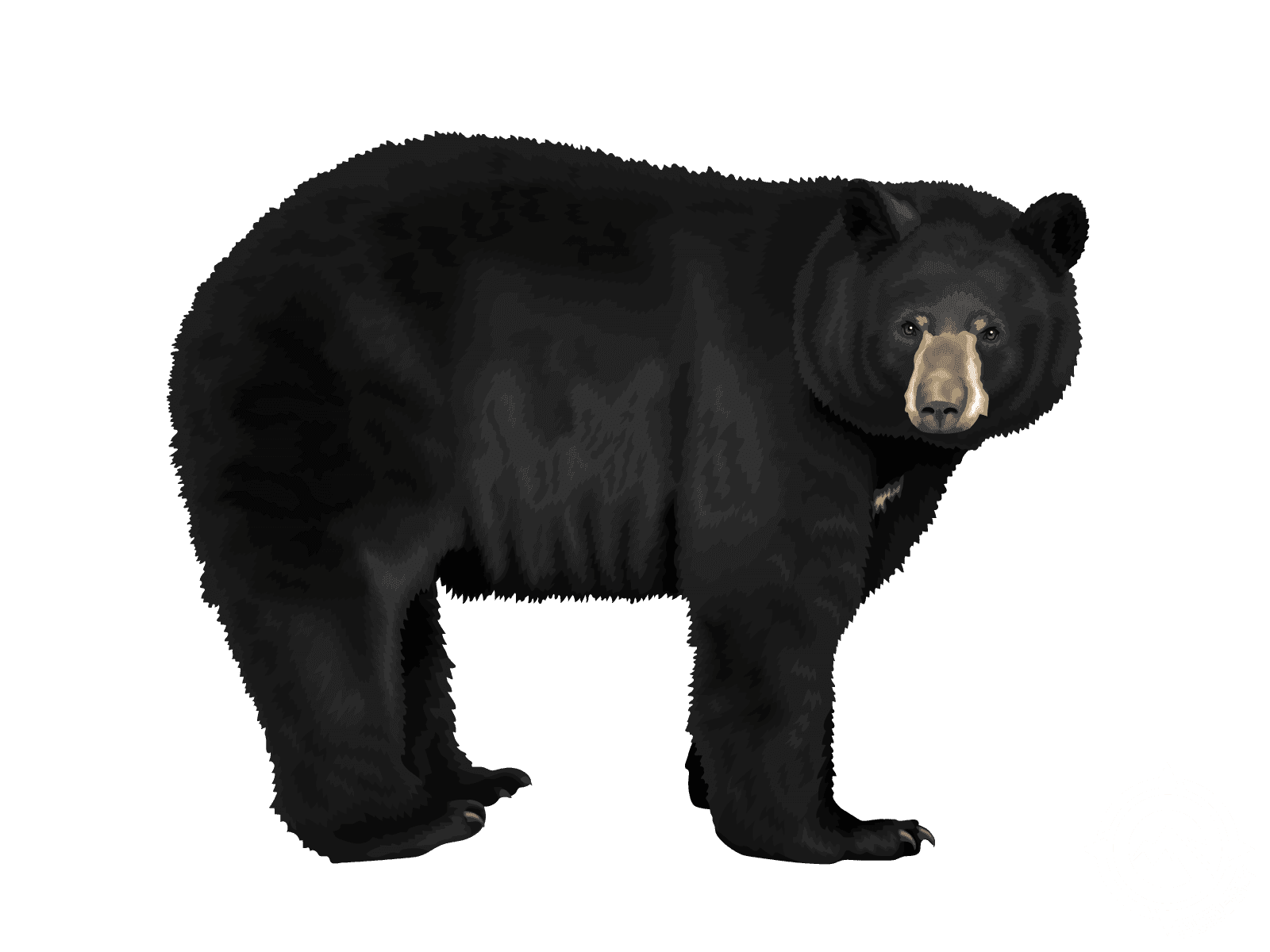
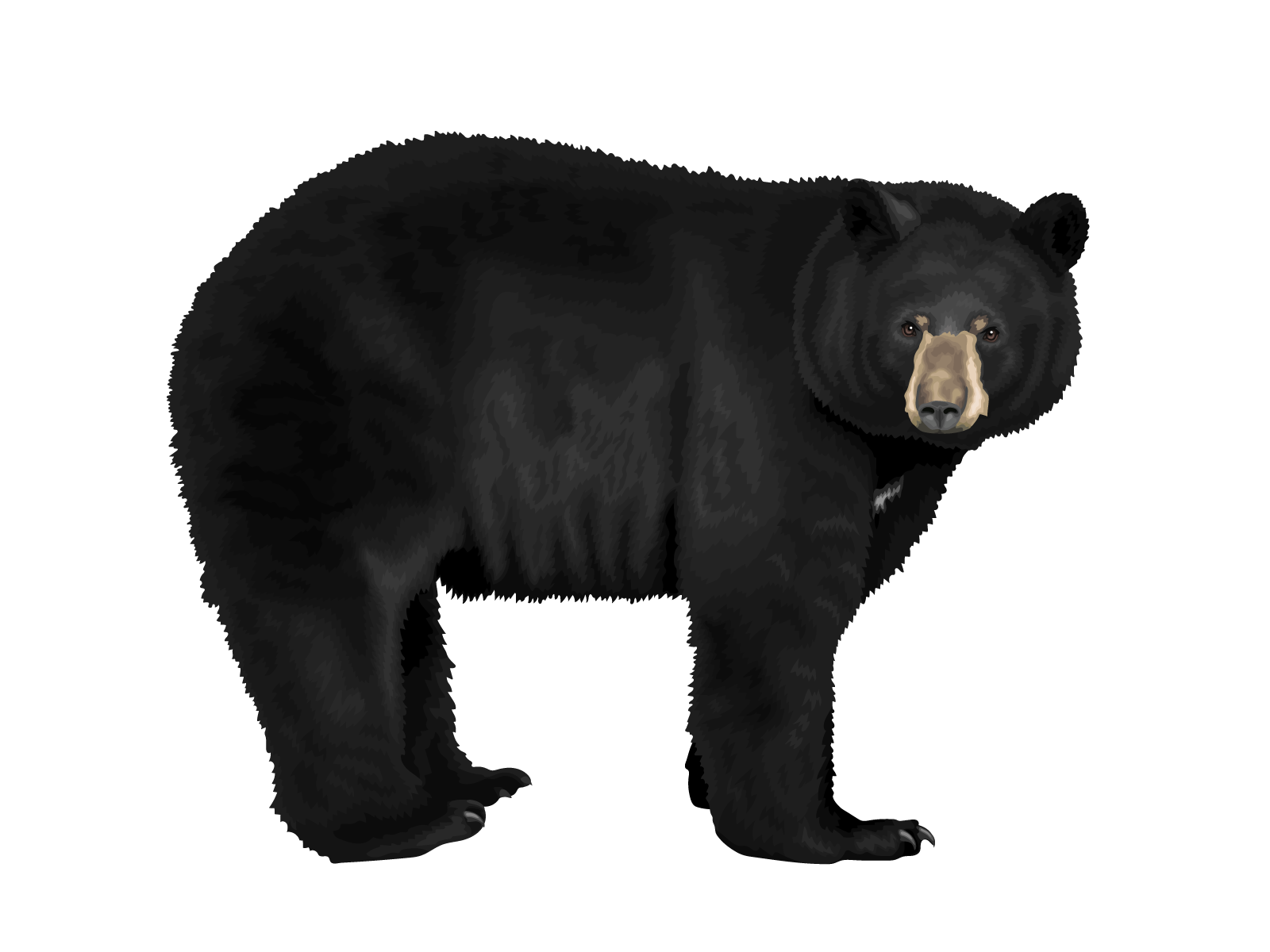 Black Bear
- Two-day guided black bear hunting in New Hampshire wilderness
- Personalized instruction covering tracking, setup, and positioning techniques
- Three nights lodging included with experienced Cast and Blast guides
Trip Pricing and Availabilities:
Black Bear Hunting in New Hampshire's Wild
Nothing beats the rush of tracking black bear through New Hampshire's dense hardwood forests. This isn't your typical weekend hunt – we're talking about a focused, two-day pursuit where patience meets opportunity. Cast and Blast Guide Service has been putting hunters on bears in these woods for years, and we know where the big ones move. You'll spend three nights based out of prime bear country, with evening hunts that capitalize on when these animals are most active. Whether you're a seasoned hunter looking to add bear to your trophy room or someone ready to step up their hunting game, this guided experience delivers the real deal.
Inside the Hunt
Your hunt kicks off with a detailed briefing on bear behavior, safety protocols, and the terrain we'll be working. New Hampshire's black bears are smart, and they've got home-field advantage in these thick woods. We'll set you up in proven locations where bears regularly travel – think natural funnels, feeding areas, and travel corridors that generations of bears have used. Evening hunts are the name of the game here since bears are crepuscular, meaning they're most active during twilight hours. You'll be in position well before they start moving, and trust me, when a 300-pound boar steps into your shooting lane, your heart will be pounding harder than a bass drum. This is strictly active hunting – no baiting, no hounds – just you, your guide's expertise, and the challenge of outsmarting one of North America's most intelligent game animals. The one-on-one setup means you get personalized attention throughout the entire hunt, from shot placement coaching to reading sign and understanding bear movement patterns.
Tracking Tips & Terrain
New Hampshire's bear habitat is a mixed bag of hardwood ridges, swampy bottoms, and dense cover that can challenge even experienced hunters. We're working with traditional spot-and-stalk methods combined with strategic stand placement near active bear sign. You'll learn to read claw marks on beech trees, identify fresh scat, and recognize the subtle trails bears use to move between bedding and feeding areas. The terrain here ranges from steep hillsides covered in oak and maple to marshy areas where bears love to forage for roots and insects. Most shots come within 75 yards, so your rifle setup needs to be dialed in for close to moderate range work. We'll help you understand wind direction, which is critical when hunting an animal that can smell you from half a mile away. The key is staying mobile while being patient – bears don't punch a time clock, but when they move, everything happens fast. Your guide will teach you how to move quietly through the forest floor covered in leaves and deadfall, position yourself for the best shooting opportunities, and most importantly, when to take the shot and when to wait.
Target Game Breakdown
New Hampshire black bears are the real deal – thick-bodied, intelligent, and perfectly adapted to the state's dense forests. Adult boars typically weigh between 250-400 pounds, with some exceptional animals pushing 500 pounds by late fall. Sows are generally smaller, ranging from 150-250 pounds, but don't let size fool you – female bears with cubs are incredibly protective and demand serious respect. September through October represents prime hunting season when bears are actively feeding to build fat reserves for winter denning. During this period, they're focused on high-calorie foods like acorns, beechnuts, and apples from old orchards scattered throughout the state. Black bears have excellent hearing and an incredible sense of smell – some experts say it's seven times better than a bloodhound's – which makes them a challenging adversary for any hunter. What makes hunting New Hampshire bears special is their wariness around humans. These aren't garbage dump bears; they're wild animals that have learned to avoid people, making a successful harvest genuinely rewarding. Bears here are also known for their thick, lustrous coats that make beautiful rugs and wall mounts. The meat is surprisingly good too – think of it as wild pork with a slightly sweet flavor that's perfect for roasts, sausage, and steaks.
Book Your Next Tag
Ready to test your skills against one of New Hampshire's most respected game animals? This hunt delivers everything you want in a bear experience – expert guidance, prime locations, and the chance to harvest a trophy that'll be the centerpiece of your hunting stories for years to come. Remember to secure your New Hampshire bear hunting license before the trip, and bring your favorite rifle setup for shots inside 100 yards. Cast and Blast Guide Service has the local knowledge and experience to put you in position for success, but the rest is up to you and your shooting skills. Bear tags are limited, seasons are short, and the best hunting windows don't last long. Don't wait until next year to chase the bear hunt you've been thinking about – book now and get ready for some serious hunting action in New Hampshire's big woods.
Learn more about the animal
Black Bear
New Hampshire's black bears typically weigh 125-400 pounds, with males running larger than females. They're not actually aggressive by nature - most will avoid human contact if given the chance. You'll find them in dense hardwood forests and mixed timber areas, especially where oak, beech, and berry patches provide natural food sources. Fall hunting season is prime time when bears are actively feeding before winter, making them more predictable in their movement patterns. What draws hunters to black bear is the challenge - they're incredibly smart, have excellent hearing and smell, plus they provide quality meat that's surprisingly good table fare. The key to success is staying downwind and hunting near active feeding areas. Look for fresh claw marks on trees, scat, and disturbed ground around nut trees. Patience pays off with these animals.